
In the same weather, one person feels hot and another cold. One eats a lot and doesn’t put on weight; another tries hard and the scales won’t budge. No two leaves on a tree are alike – and neither are people. Chinese tradition explains these differences through body types.
Qi – life energy, which comes in two kinds
Innate qi
Received from our parents. According to tradition, it “resides” in the lower back, around the kidneys – which is why it is worth looking after your lower back throughout your life.
Acquired qi
Comes from food, water and air. We can influence it every day – by eating mindfully rather than mechanically.
The nine body types
Pure types are rare – most of us have traits of two or three. Do you recognise yourself?
| Body type | Typical traits |
|---|---|
| Qi deficiency | tires easily, prefers sitting or lying down, takes things hard |
| Blood stasis | dark patches on the skin, dark lips, slow recovery, reserved nature |
| Yin deficiency | inner heat, night sweats, thirst, dry skin |
| Yang deficiency – “always cold” | cold hands and feet, woolly socks even in summer, can’t stand draughts, loves warm food |
| Qi stagnation | sensitive to what others say, sighing, dependent on others’ opinions |
| Phlegm (damp) | little movement, heavy feeling, good-natured |
| Damp heat | oily skin, heavy feeling, irritability |
| Sensitive type | sensitive to environmental factors, such as seasonal changes |
| Balanced ✦ | stable weight, good recovery, even mood – the goal of yangsheng |
Towards the balanced type

Your body type is not a life sentence. In the yangsheng tradition, the aim is to move gradually towards the balanced type. The change does not happen in a week – according to tradition, the shift from one state to another can take as long as six months. That is why crash diets often bring only short-lived results: they do not take your body type into account and do not change your habits.
The tradition also emphasises the mind: as is the quality of consciousness, so is the quality of the body. Many people train their body but forget their mind. An emotional rollercoaster drains energy just as much as poor food does.
Three measures of wellbeing according to tradition
- Warmth – a warm body is the foundation of the tradition (normal body temperature is 36,5–37,1 °C).
- Flow of the meridians – the energy channels through which qi travels.
- Movement of qi and blood – qi moves the blood; when they flow, the body feels well.
Small tips for different types
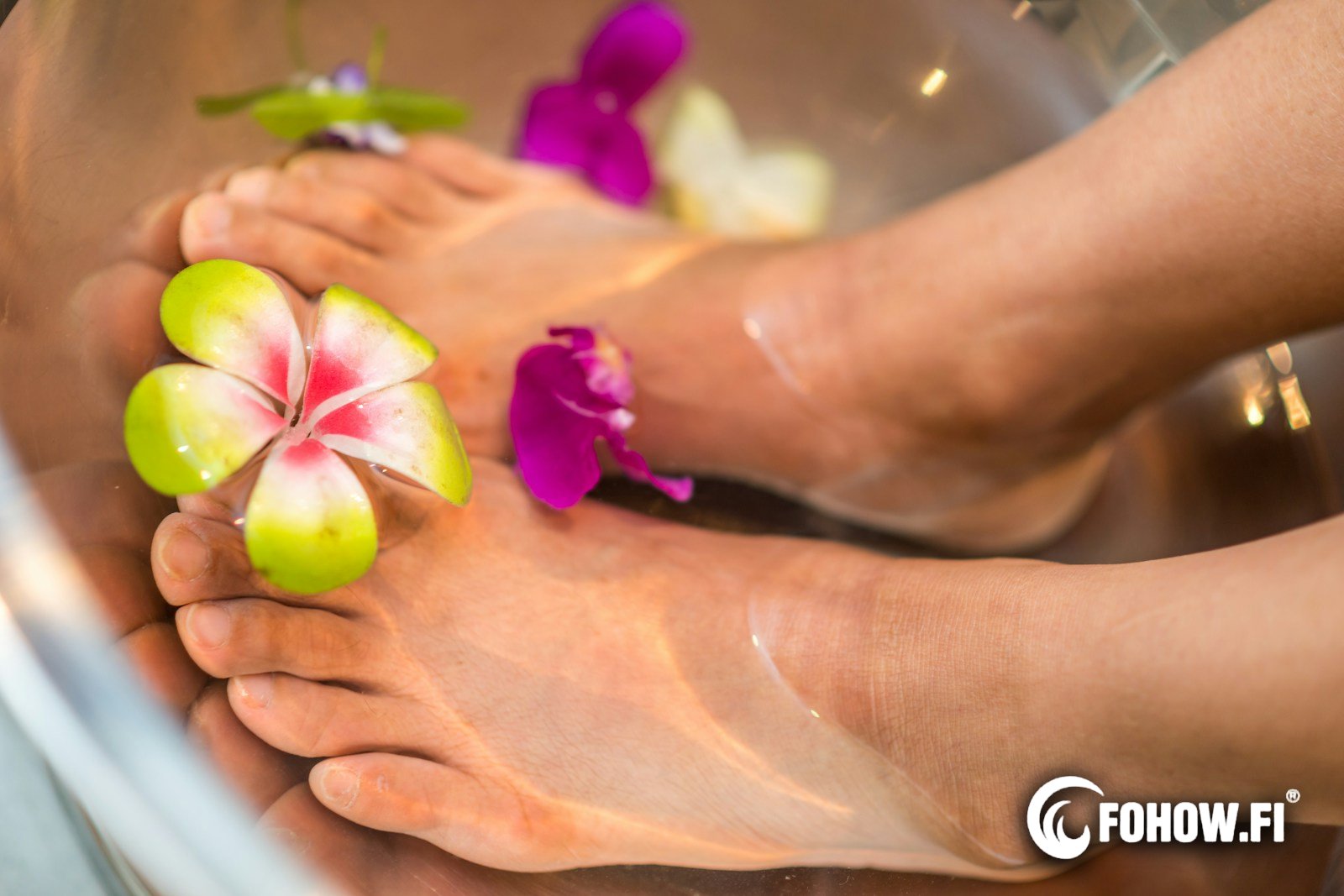
- Always cold (yang deficiency): warm drinks, foot baths, keeping the lower back warm.
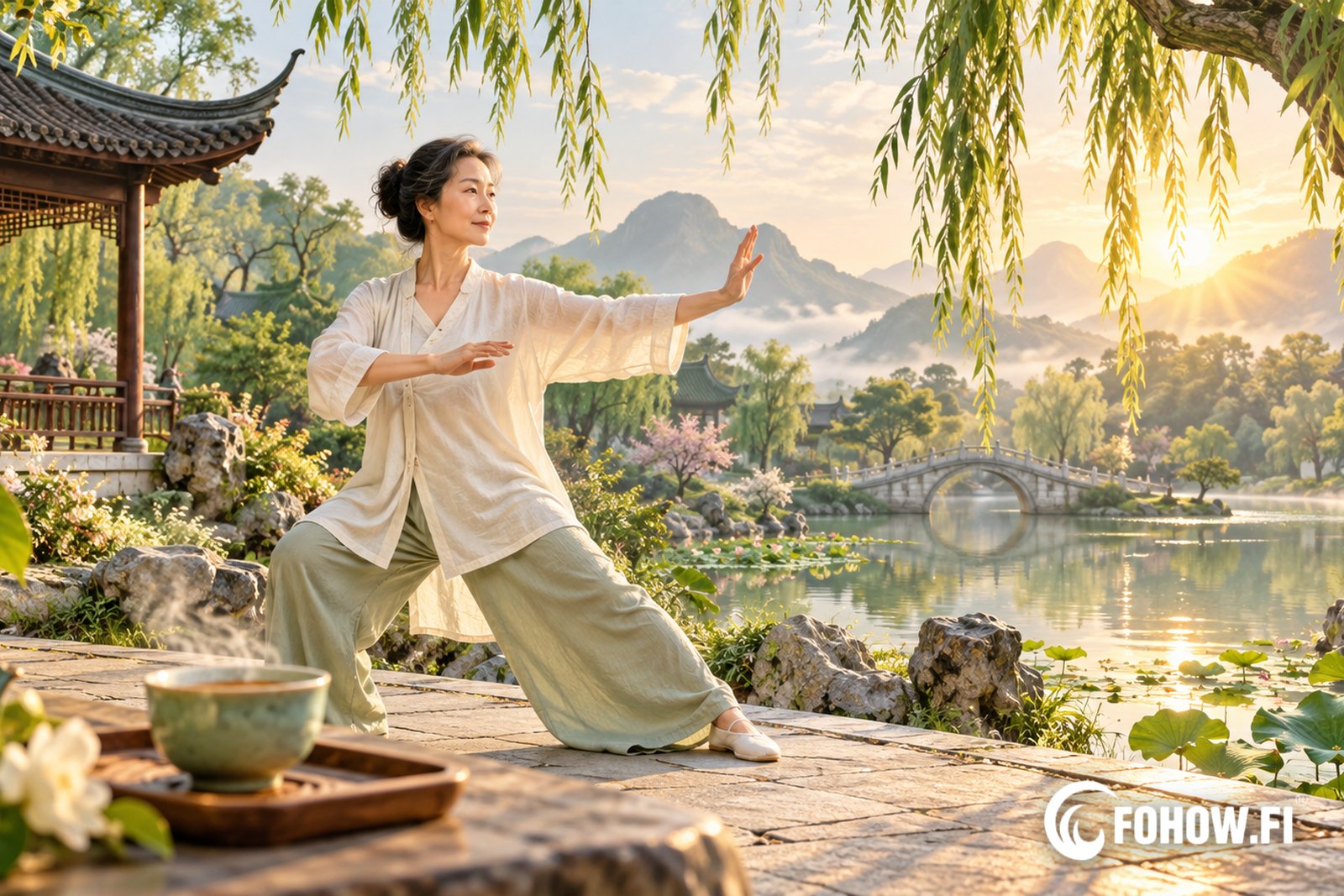
- Qi deficiency: regular sleep, calm movement, warm and nourishing food.
- Blood stasis: movement, drinking enough and energetic company.
- Phlegm and damp heat: less ready-made and fatty food, more movement.
- Qi stagnation: movement, breathing, talking things through – and a moment for yourself.
Free body type test
Find out your body type in a few minutes
You get your result straight away, along with lifestyle tips for your type. If you wish, you can book a personal assessment at Hyvinvointikeskus Hoitava Hieronta, Retkeilijänkatu 13, 00980 Helsinki.
Take the body type test Book an appointmentAuthor: Svetlana Kokozina – owner of Hyvinvointikeskus Hoitava Hieronta, qualified massage therapist and FOHOW bioenergy massage therapist
Body types describe the Chinese wellbeing tradition; they are not medical diagnoses. This article does not replace examination or treatment by a doctor.